Where AI meets
the evidence bar of medicine.
On the AI-driven drug discovery revolution, what actually gets faster, and the statistical rigor that turns speed into approved medicines.
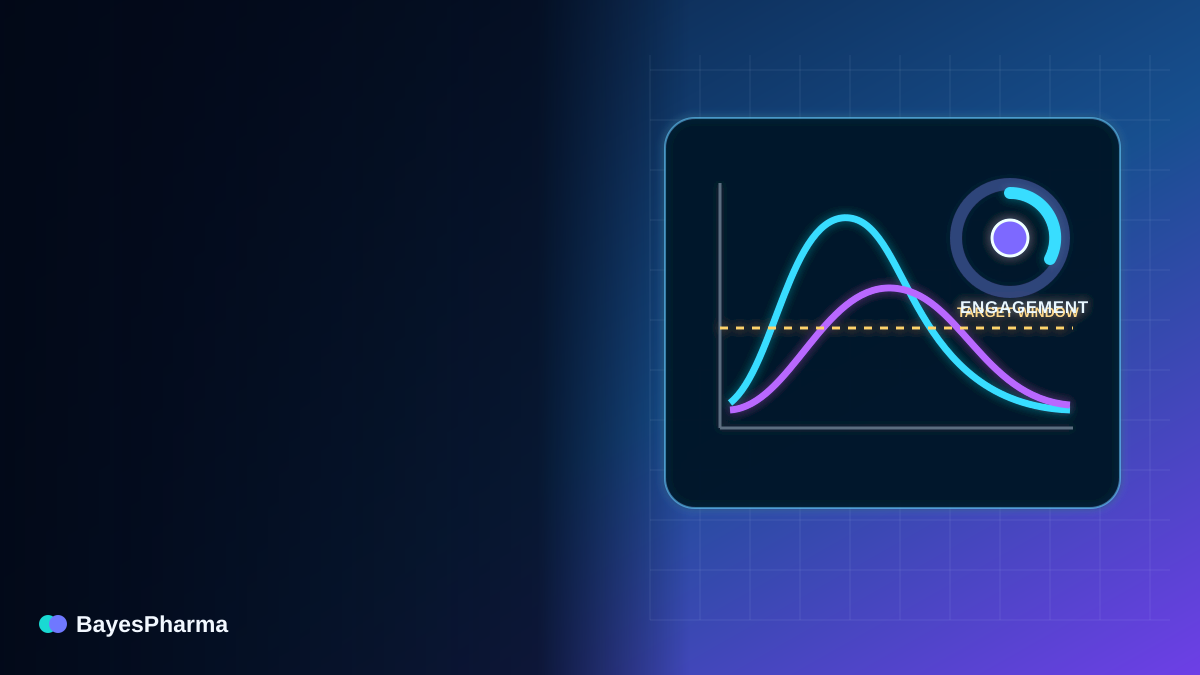
The Dose Is Part of the Drug: Why Molecule-First Discovery Stops Too Early
A chemical structure does not treat a patient. A regimen creates a time-varying exposure in a particular tissue, in a particular biological state. Discovery becomes more predictive when dose, schedule, target engagement, and patient context are treated as design variables from the beginning.
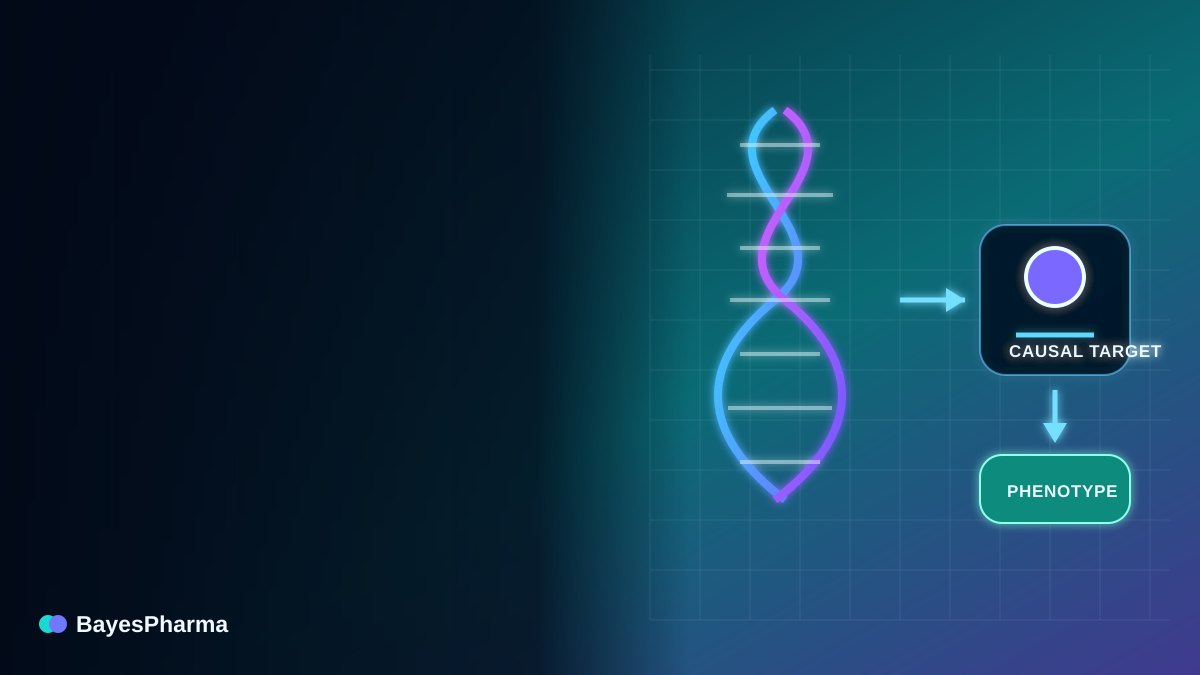
Human Genetics Is Nature's Clinical Trial -- But It Is Not a Free Pass
Genetic evidence can sharply improve confidence that a target matters in human disease. It can also mislead when lifelong variation is treated as equivalent to short-term pharmacology, direction of effect is unclear, or pleiotropy and population context are ignored.
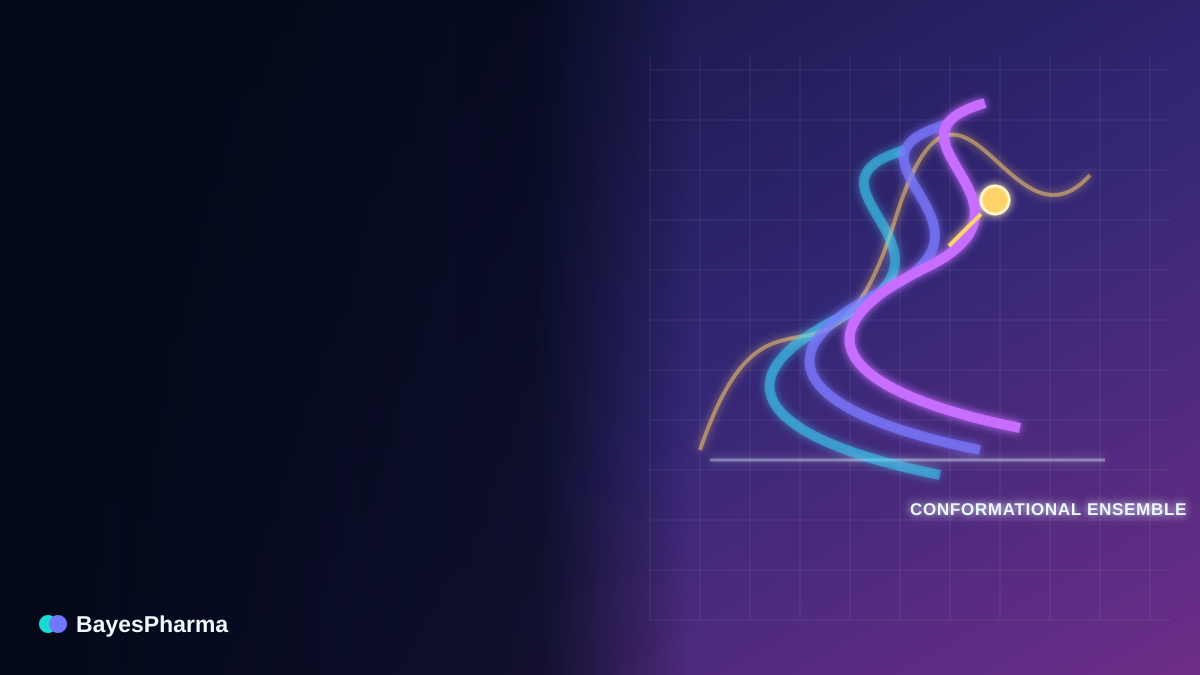
A Protein Is Not a Statue: Why Drug Discovery Needs Conformational Ensembles
Anfinsen taught us that sequence encodes a protein's accessible structure. Modern biophysics adds the crucial detail: proteins occupy shifting energy landscapes, and medicines often work by selecting, stabilizing, or excluding particular states.
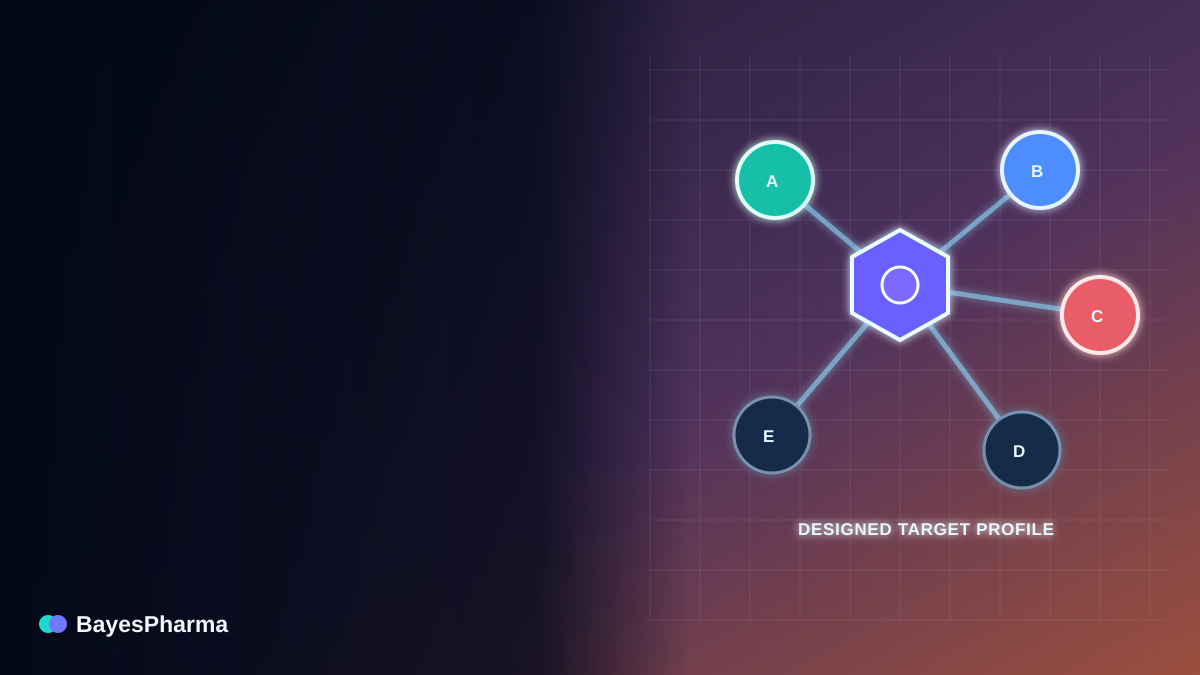
Selectivity Is Not the Same as Precision: The Case for Designed Polypharmacology
Promiscuous chemistry is dangerous, but perfect single-target selectivity is not automatically superior. Complex diseases are network failures, and some medicines succeed because they engage a deliberate pattern of targets within a tolerable exposure window.
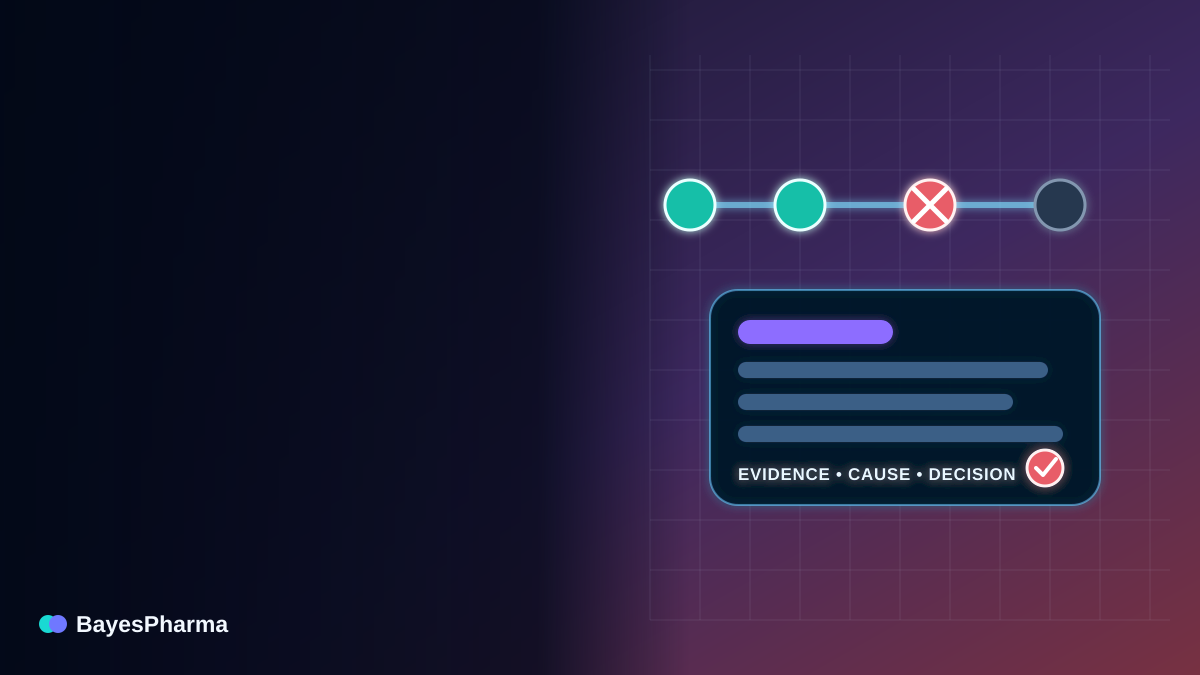
Build a Failure Atlas: The Most Valuable Drug-Discovery Dataset Is the One We Throw Away
A failed assay, irreproducible phenotype, toxic series, or negative trial is not empty space. Properly structured, it tells us which causal link broke -- target, exposure, engagement, biology, safety, or patient selection -- and prevents the same mistake from being rediscovered.
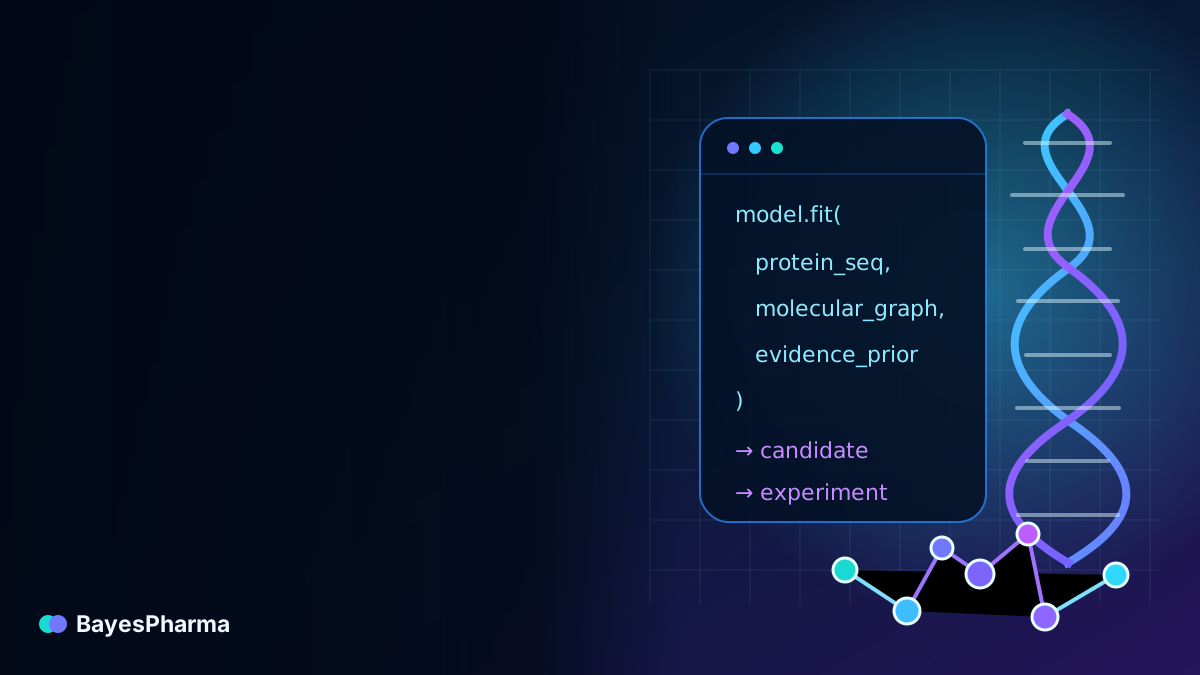
From Code to Bio: Why Every AI Lab Is Suddenly a Drug Company
DeepMind, Nvidia, Meta, Microsoft, and a wave of AI-native biotechs are pointing the same scaling-law playbook that built large language models at the much harder problem of biology -- and the people running these labs are now saying the drug discovery timeline itself is the target.
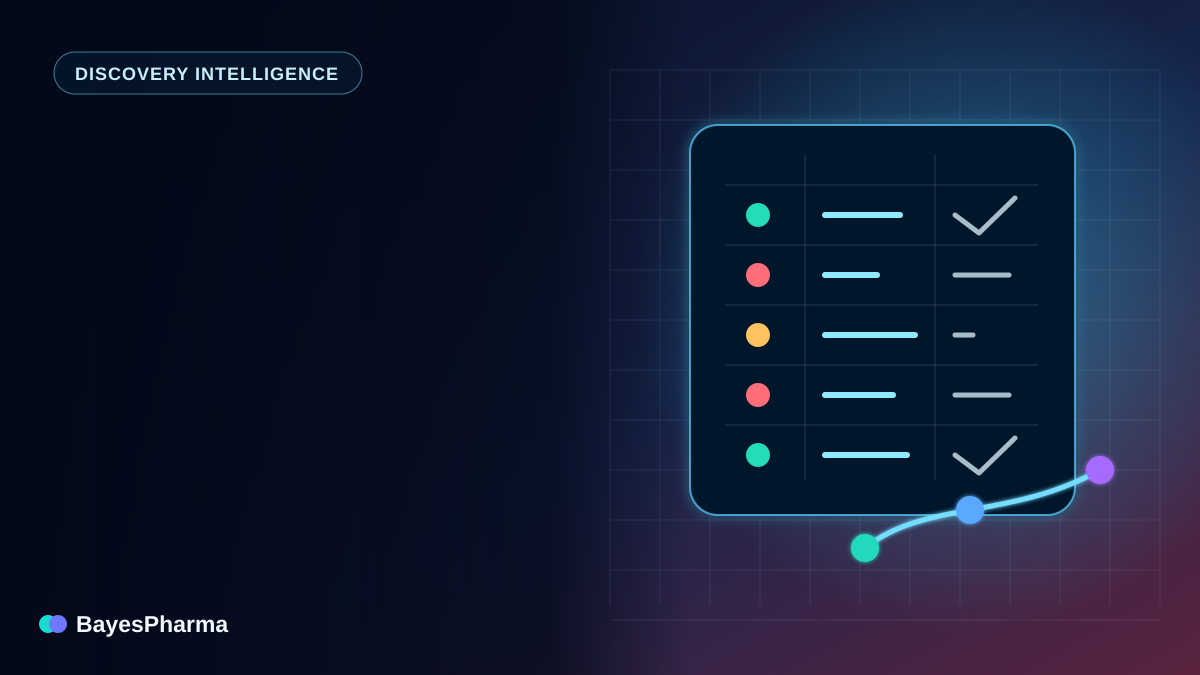
The Negative Data Moat: Why Failed Experiments May Be Drug Discovery’s Most Valuable Dataset
Published science is optimized to show what worked. Drug discovery needs the opposite too: inactive compounds, failed syntheses, contradictory assays, abandoned targets, and the exact context that explains why. In an AI-driven era, that “negative” evidence may become the most defensible competitive advantage a discovery company can own.
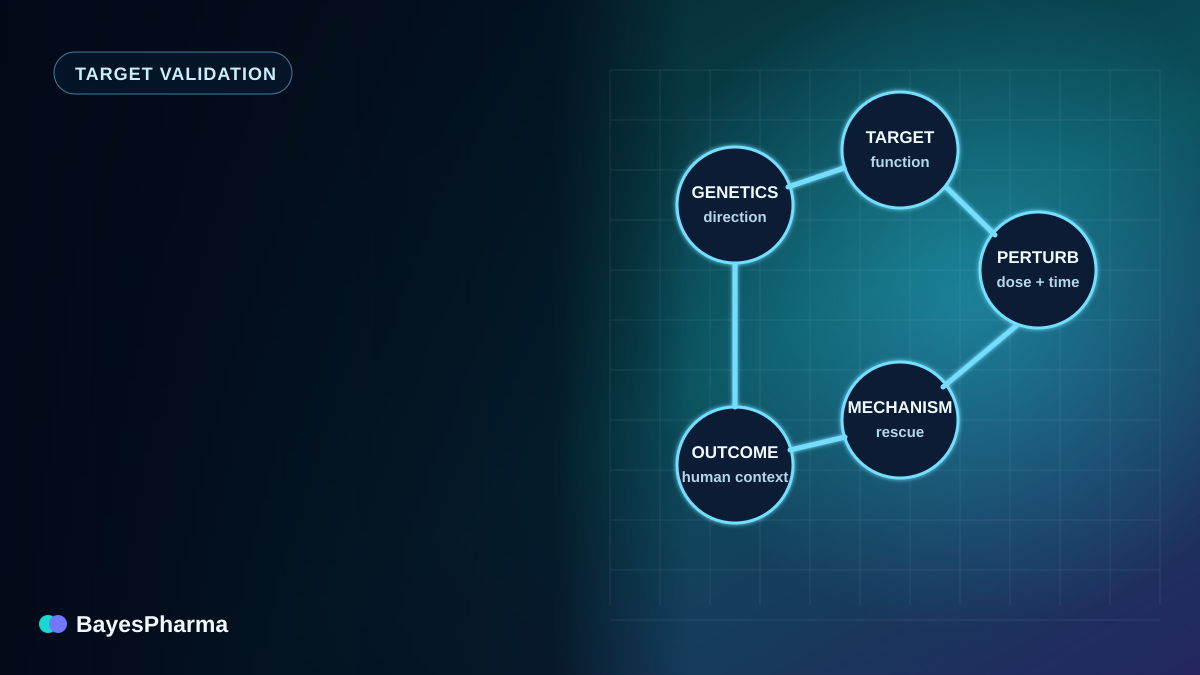
Target Validation Is Becoming Causal Inference, Not Correlation
A gene can be elevated in disease, correlated with severity, and beautifully connected in a knowledge graph -- yet still be the wrong therapeutic target. The next generation of target validation will treat genetics, perturbation, tissue context, temporal order, and rescue experiments as a causal argument rather than a collection of associations.
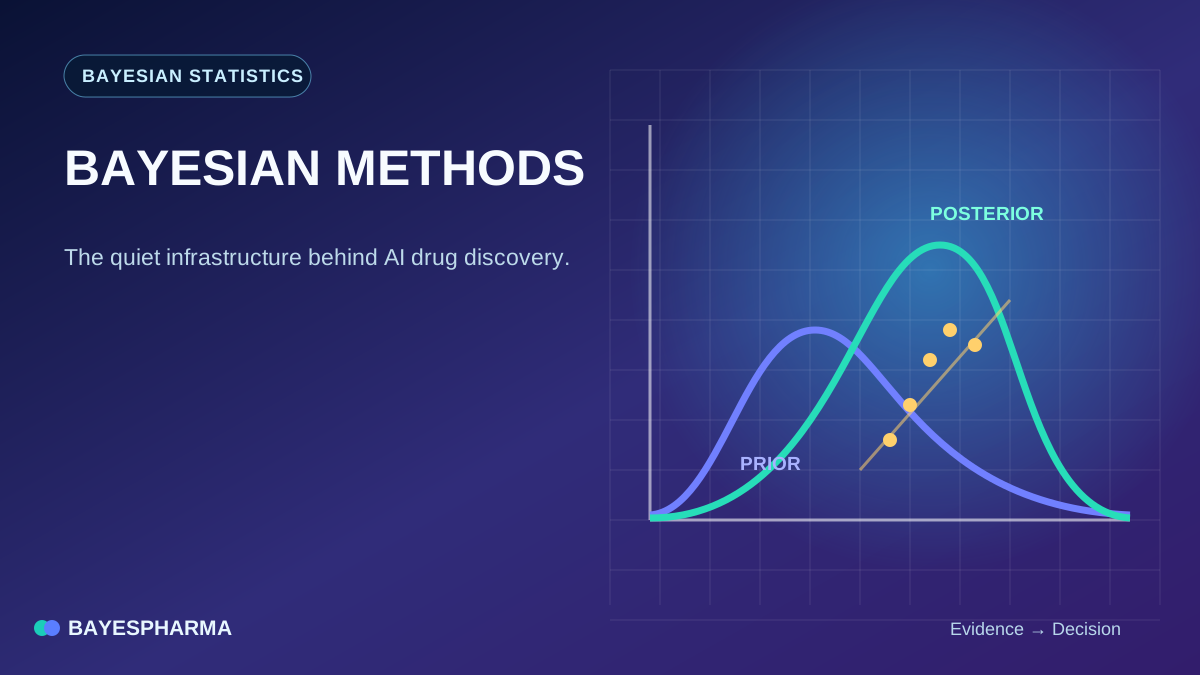
Why Bayesian Methods Are the Quiet Infrastructure Behind the AI Drug Discovery Boom
The headlines belong to generative chemistry and structure prediction. The layer deciding what to trust, when to stop a trial, and how confident to be in a dose -- the layer that turns a faster pipeline into a defensible one -- is Bayesian statistics, and it rarely gets named.
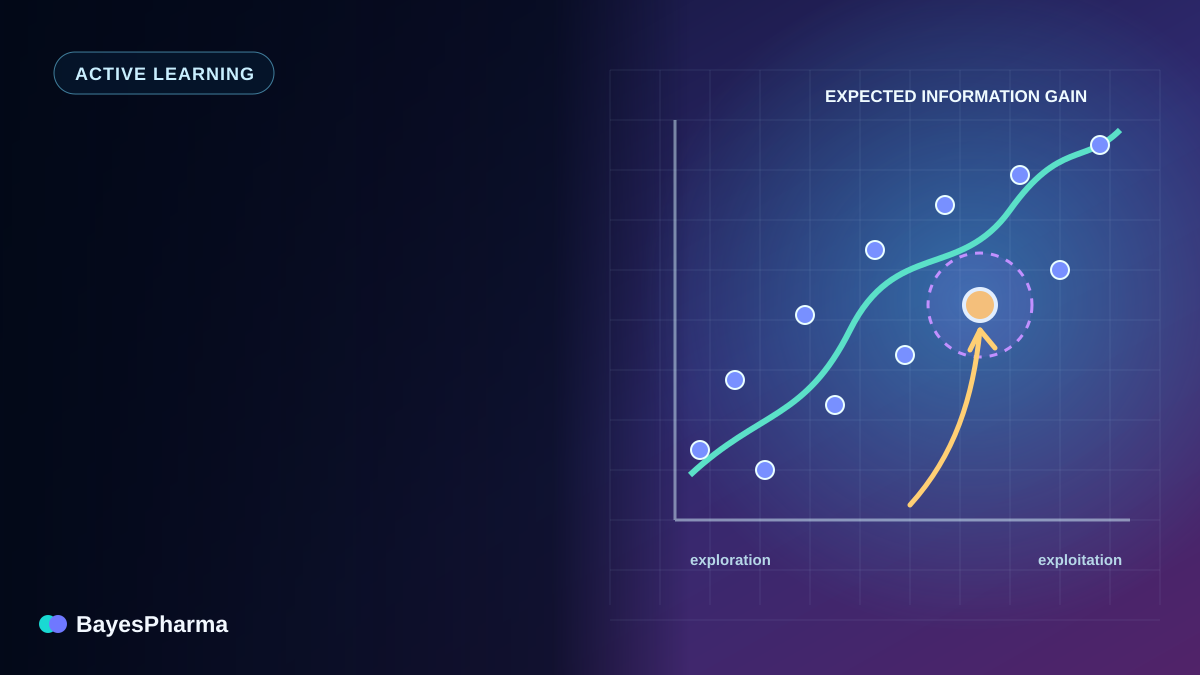
The Next Best Experiment: Why Potency Is the Wrong Objective for Early Discovery
Early discovery teams often ask which molecule is predicted to be most potent. A better question is which experiment will reduce the most consequential uncertainty. Active learning, Bayesian optimization, and multi-objective design turn discovery from a leaderboard of scores into a strategy for learning.
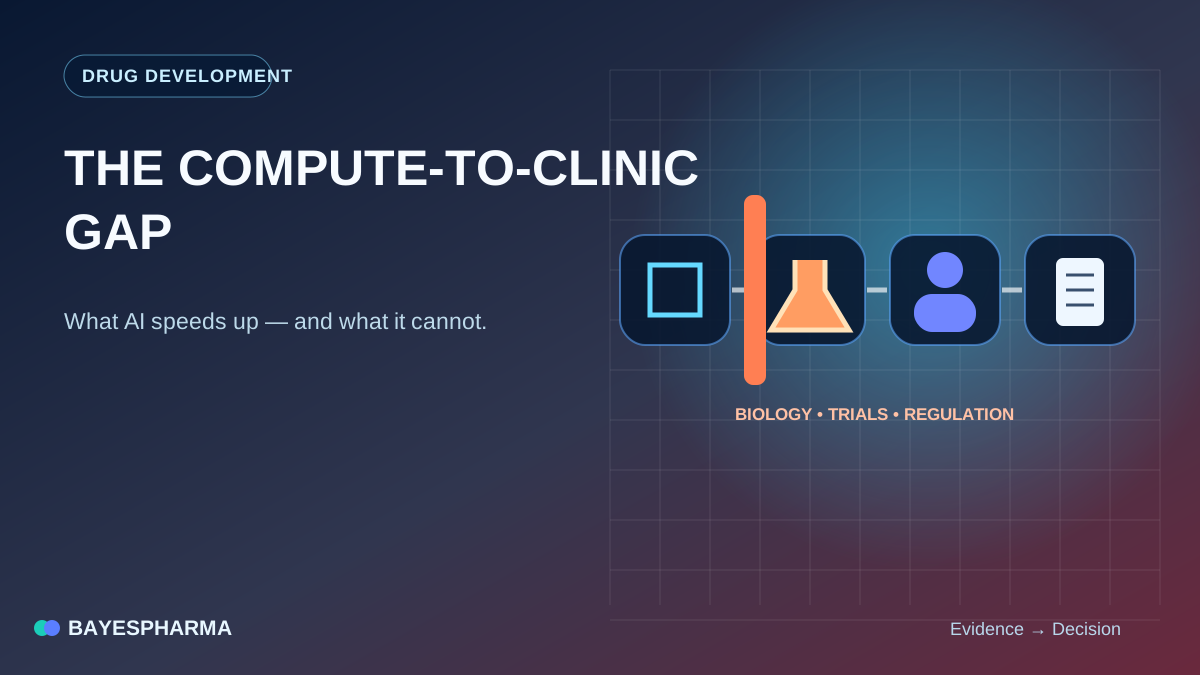
The Compute-to-Clinic Gap: What AI Actually Speeds Up (and What It Doesn't)
Generative chemistry and structure prediction have genuinely compressed the front half of drug discovery. Clinical development, statistical power, and regulatory review still run on a clock that GPUs can't turn faster -- and understanding exactly where the line falls is the difference between real progress and hype.
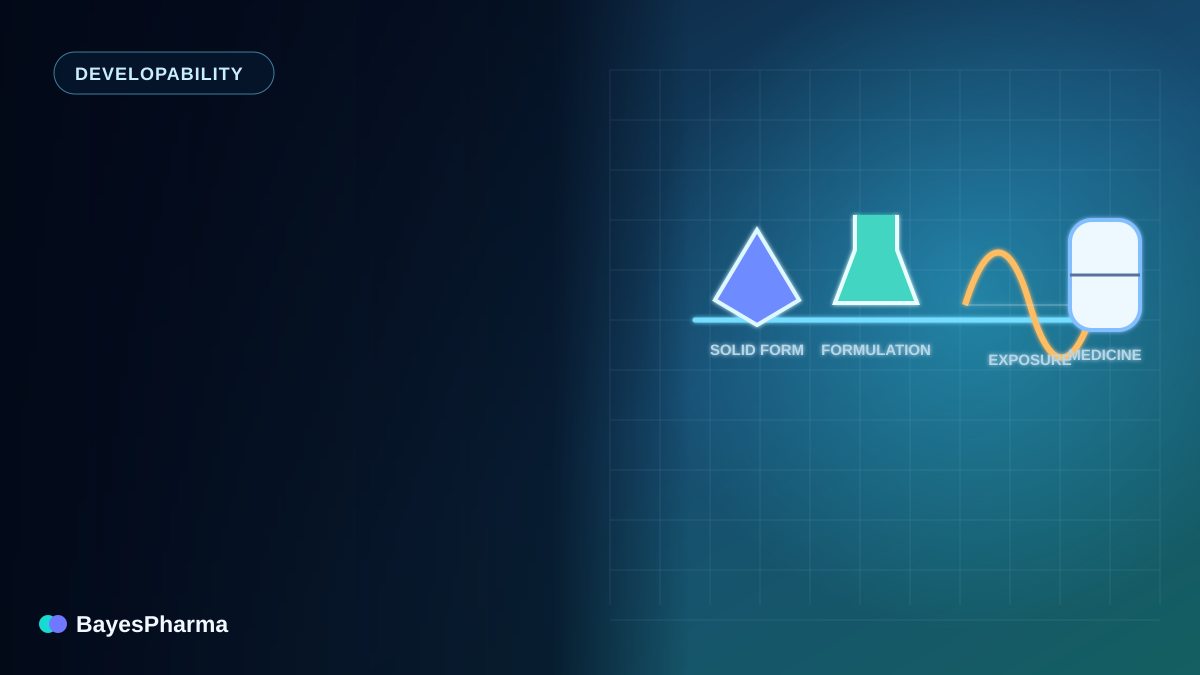
The Molecule Is Not the Medicine: Why Developability Must Start on Day One
A potent structure in a slide deck is not a therapy. The medicine is the molecule plus its solid form, formulation, exposure, regimen, manufacturing process, and patient context. Programs that postpone developability do not remove these constraints; they merely discover them later, when failure is more expensive.
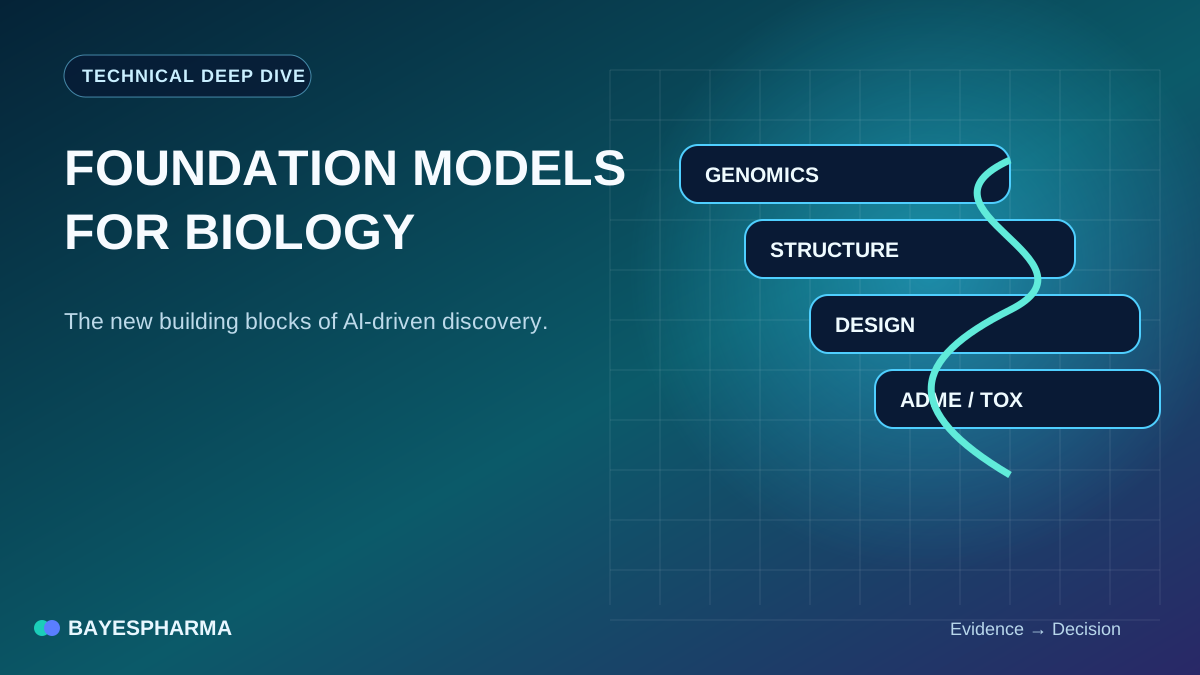
Foundation Models for Biology: A Field Guide to the New Building Blocks
Transformer, tokenizer, and RLHF became common vocabulary for language models almost overnight. Biology now has its own emerging vocabulary -- AlphaFold, ESM, RFdiffusion, diffusion-based molecular generators -- and understanding how they compose into a pipeline is the fastest way to understand where this field is actually headed.